

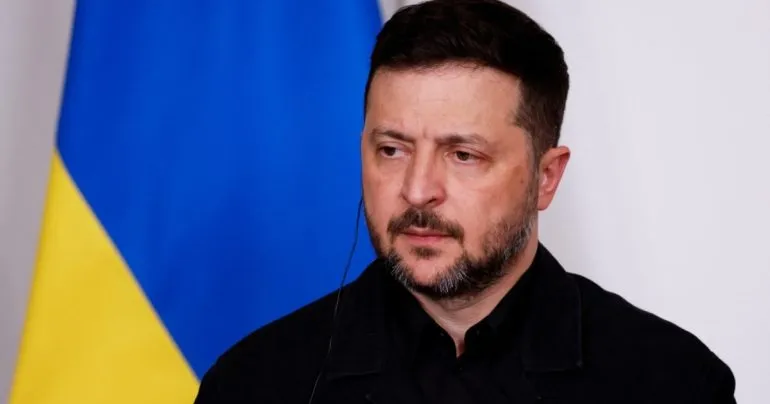
The President of Ukraine, Volodymyr Zelensky, instructed his team to establish contact with representatives of the U.S. presidential administration to clarify the details of Russia’s proposal for a temporary ceasefire on the front.
This is reported by Kyiv24
Ukraine insists on a lasting and reliable peace
The head of state emphasized that Ukraine aims to achieve genuine peace and is actively engaged in diplomatic efforts to end the war. Zelensky noted that the Ukrainian side intends to clarify whether this is about “a few hours of security for the parade in Moscow, or something more.”
“Ukraine seeks peace and is ensuring the necessary diplomatic work for a real end to this war. We will clarify what exactly is at stake: a few hours of security for the parade in Moscow or something more”
The president also stressed that Ukraine’s position remains unchanged: it is essential to ensure a long-term ceasefire, real security guarantees for citizens, and stable peace. Ukraine is ready to cooperate for this in any effective and dignified format.
Assessment of ceasefire proposals and reaction of the international community
After a conversation between U.S. President Donald Trump and Vladimir Putin on April 29, it became known that the American leader urged Russia to focus on ending the war against Ukraine and suggested considering a short-term ceasefire.
The Kremlin stated that it was Putin who initiated the proposal to declare a ceasefire during the celebration of Victory Day on May 9, but Russian presidential advisor Yuri Ushakov did not specify the duration of this proposal.
Experts from the American Institute for the Study of War warned that such unilateral ceasefires “are largely beneficial to Russia.” According to them, the Kremlin has often used such pauses to accuse Ukraine of disrupting the ceasefire and to accumulate weapons for further large-scale attacks.
The ceasefire initiative came against the backdrop of a statement from the Russian Ministry of Defense that this year there would be no column of military equipment at the May 9 parade in Moscow, and that cadets from Suvorov and Nakhimov military schools would not participate. The last time such a format was observed was in 2007.
The Kremlin explained the decision to reduce the parade’s format as a desire to minimize the risk of possible Ukrainian strikes, which Russian presidential representative Dmitry Peskov referred to as “terrorist attacks.”