

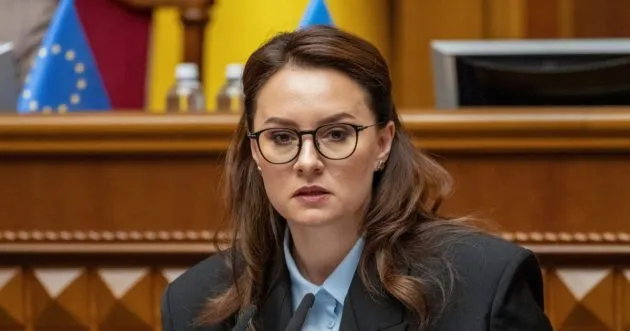
The Cabinet of Ministers of Ukraine has decided to pay 15 million hryvnias to the families of soldiers who died while in captivity. This decision was made at an extraordinary government meeting on August 15, as reported by Prime Minister Yulia Svyrydenko.
This is reported by Kyiv24
Additional changes in military support
According to the head of the government, the deadline for injured servicemen or those who have lost their ability to work after service to apply for one-time assistance has been extended to one year. This will allow for a broader range of individuals in need of state support to be covered.
In addition to financial assistance, the Ministry of Defense has initiated changes in legislation regarding the publication of military declarations. The publication of such documents will be postponed for one year after the end of martial law to avoid potential misuse of this information by the enemy.
“Military units will be able to directly purchase used pickups, ATVs, buggies, and motorcycles – without unnecessary bureaucracy. The cost will be determined based on expert assessments or market data. This will allow for the rapid updating of equipment that is worn out on the front lines. Property lost or worn out in battles will be written off in a simplified manner. If it is up to 1.7 million hryvnias – the process will be faster so that units can receive replacements without delays,” she noted.
New agreements on prisoner exchanges and honoring memory
In June, delegations from Ukraine and Russia reached agreements in Istanbul regarding new mechanisms for prisoner exchanges. As reported by the head of the Ukrainian delegation, Rustem Umerov, the main focus is on the exchange of severely wounded and seriously ill prisoners of war, as well as young soldiers aged 18 to 25. Additionally, an agreement was reached on the return of 6,000 bodies of fallen soldiers.
At the end of July, Ukraine officially honored the memory of soldiers, volunteers, and civilians who were executed, tortured, or died in captivity for the first time, emphasizing the importance of memory and support for the families of the deceased.