

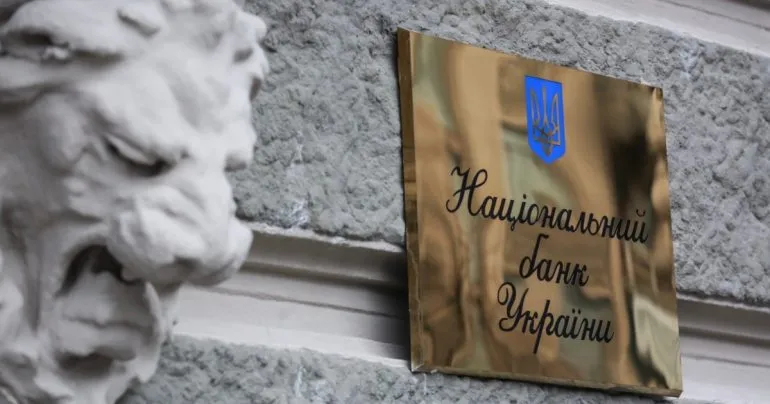
The National Bank of Ukraine has decided to keep the discount rate unchanged at 15.5%. This was reported by the regulator, noting the maintenance of tight monetary conditions to support the stability of the hryvnia and the gradual decrease in inflation.
This is reported by Kyiv24
Inflation Slows Down, but Risks Remain
According to the NBU’s observations, inflation has been declining over the past few months. In September, consumer inflation was 11.9% year-on-year, and this trend continued in October. The main factor was the increase in vegetable supply due to better harvests this year compared to last year.
At the same time, core inflation decreased more slowly, reaching 11% year-on-year in September. Fundamental price pressures remain persistent due to high business costs for labor and energy resources. This has led to prices for certain components of core inflation either decreasing slowly or remaining unchanged.
“Under these conditions, to maintain the attractiveness of hryvnia assets, the stability of the currency market, and a sustainable trend of inflation reduction to the target of 5% in the policy horizon, the NBU will support relatively tight monetary conditions. Inflation is decreasing, however, fundamental price pressures remain persistent, and expectations do not show signs of sustainable improvement,” the report states.
Forecasts for 2025–2027 and Expectations Regarding the Rate
The NBU forecasts a decrease in inflation to 9.2% in 2025, to 6.6% in 2026, and to the target level of 5% by the end of 2027. These processes will be influenced by better harvests of vegetables and grains, as well as monetary policy measures to support interest in hryvnia assets and the stability of the currency market.
The regulator notes that the gradual reduction of imbalances in the labor market will contribute to a slowdown in the growth of real wages and a decrease in the burden on enterprise costs. At the same time, there are factors that will restrain further slowing of inflation – these include additional business costs to ensure operations under conditions of energy shortages and the increase in administratively regulated prices.
The baseline scenario of the NBU’s macroeconomic forecast anticipates the beginning of a reduction in the discount rate in the first quarter of 2026. Meanwhile, economic growth continues, but its pace will remain moderate due to the consequences of the war. The next NBU board meeting on monetary policy is scheduled for December 11.