

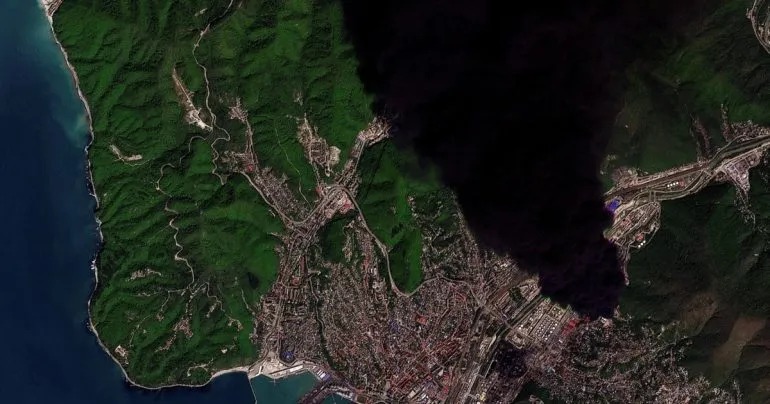
The Russian Federation is trying to minimize the negative impact of rising global oil prices and damage to its oil infrastructure for the population; however, these measures reduce the benefits from the increase in energy prices.
This is reported by Kyiv24
Increase in Russia’s Profits Amid Subsidies and Attacks
Analysts at the Institute for the Study of War note that the actions of the Russian authorities to protect the population from the consequences of rising oil prices and the destruction of the oil industry do not allow Moscow to fully take advantage of the opportunities to increase revenues from oil and gas exports. Data from the Russian Ministry of Finance indicates that in April 2026, revenues from oil and gas nearly doubled compared to March, which is linked to the rise in global prices due to the conflict in Iran.
According to official information, the federal budget of Russia received about 917 billion rubles (approximately 12 billion dollars) in April from mineral extraction taxes — this is twice as much as in March. The share of oil revenues was about 10 billion dollars.
The opposition media outlet “Vlast” believes that this increase was achieved due to a significant increase in subsidies to oil companies — nearly 4.68 billion dollars was allocated to support low gasoline prices, as well as for the modernization and repair of oil refineries. At the same time, these expenses significantly reduced the additional budget revenues obtained from rising oil prices. Meanwhile, further increases in oil and gas revenues are expected in Russia in May 2026.
Impact of Ukraine’s Attacks and the Situation in the Oil Market
Ukraine’s prolonged campaign of strikes against Russian oil infrastructure significantly limits Moscow’s benefits from oil exports. ISW analysts are confident that attacks on strategic facilities, particularly on the oil ports of Ust-Luga and Primorsk, force them to operate below full capacity, complicating the generation of profits from rising prices and easing sanctions.
“The intensification of Ukraine’s long-range strike campaign against Russian oil infrastructure in the Russian rear is likely to continue affecting Russia’s revenues from oil and gas exports, as key Russian oil ports, such as Ust-Luga and Primorsk in the Leningrad region, are operating at less than full capacity, hindering the Kremlin’s ability to fully capitalize on higher oil prices and the easing of U.S. sanctions.”
As of May 6, the price of Brent crude oil fell by 9%, dropping below 100 dollars per barrel, but by the evening it rose above 102 dollars, which is 7% lower than the day before. Analysts explain this volatility by the expectation of the end of the war between the U.S. and Iran. The oil market is very sensitive to events in the Middle East: after the conflict began in late February, the Strait of Hormuz, through which one-fifth of global oil supplies passed, was effectively blocked. This led to a spike in prices to over 120 dollars per barrel amid the fighting.