

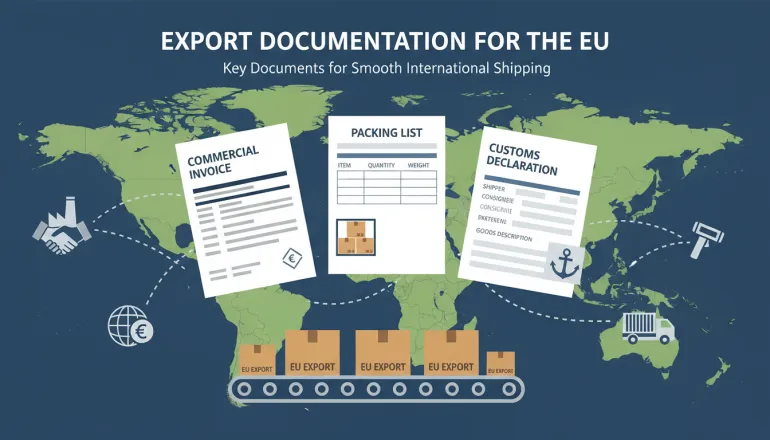
Many companies in Ukraine engage in exporting goods to various countries, including those in the European Union. To ensure the smooth delivery of goods to the destination country, a number of documents are required:
This is reported by Kyiv24
- Commercial invoice, which includes information about the seller, buyer, description of the goods, their value, and terms of sale.
- Packing list – attached to the shipment. It lists the contents, weight, and packaging details for inspection and processing purposes.
- Customs declaration – must include tariff codes and origin information necessary for customs clearance.
- Certificate of origin to confirm the place of production of the goods, especially in cases where preferential tariffs apply under trade agreements.
- For certain goods, certificates of conformity or compliance documentation, such as CE marking declarations, are required to confirm their compliance with EU safety and quality standards.
- Transportation-related documents, including the bill of lading or CMR waybill, are necessary to confirm shipping details and transfer of responsibility.
Depending on the type of product, exporters may also need sanitary, phytosanitary, or technical certificates issued by the relevant authorities. These documents require professional translation – even minor errors in terminology, product descriptions, or numerical data can lead to customs delays, fines, or refusal of cargo clearance. EU authorities expect the documentation to be clear, accurate, and generally prepared in the official language of the destination country.
Professional translators https://lingvogroup.ua/ru/translating-of-documents/ ensure the correct reproduction of specialized terminology, particularly in legal, technical, and regulatory contexts. For example, incorrect translation of tariff classifications or compliance-related terms can lead to misinterpretation during customs inspections. Certified translations also ensure reliability, as they confirm that the document accurately reflects the original content.
Additionally, different EU member states may have specific language and administrative requirements. Professional translators understand these nuances and adapt documents accordingly to ensure compliance with the requirements of all jurisdictions. This is especially important for contracts, safety declarations, and regulatory certificates, the wording of which must meet EU standards and legal norms.
Utilizing the services of professional translators minimizes the risk of misunderstandings between exporters, customs officials, and business partners.