

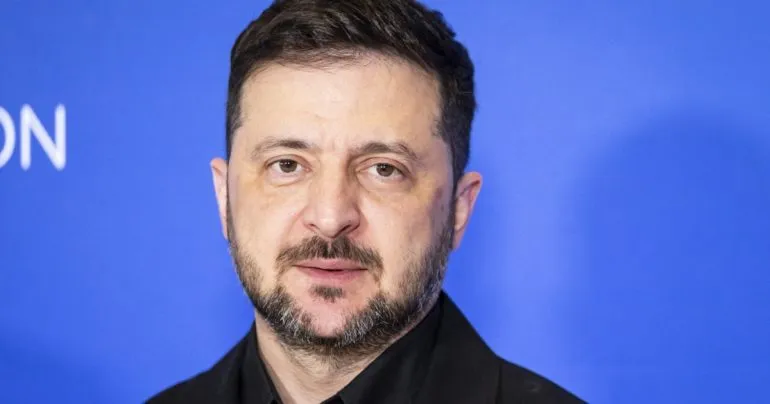
Ukrainian President Volodymyr Zelensky emphasized the importance of using frozen Russian assets to provide financial support for Ukraine during a meeting of the European Council in Brussels. He stressed that this decision is morally justified and complies with international law.
This is reported by Kyiv24
Approach to Asset Confiscation and International Support
“Just as authorities confiscate money from drug traffickers and seize weapons from terrorists, Russian assets should be used to defend against Russian aggression and to rebuild what has been destroyed by Russian attacks. This is moral. It is just. And it is legal – confirmed by the expertise of many professionals,” said the head of the Ukrainian state.
Zelensky highlighted that providing Ukraine with a reparations loan from frozen Russian assets could significantly accelerate the end of the war. In his opinion, if both Ukraine and Russian President Vladimir Putin realize that Ukraine has resources for resilience for several more years, it will greatly reduce the aggressor’s motivation to prolong the military conflict.
The majority of leaders of European Union countries support providing financial assistance to Ukraine through a reparations loan mechanism formed from frozen Russian assets. At the same time, some leaders prefer alternative approaches to supporting Ukraine.
Prospects for a Reparations Loan for Ukraine
The draft final document of the EU summit includes a separate item regarding the launch of a reparations loan, which will be based on the cash balances of frozen Russian assets to finance Ukraine’s needs starting in the second quarter of 2026. However, this item requires final approval from European leaders at the summit.
The document calls on the EU Council and the European Parliament to approve all necessary tools for creating such a mechanism as soon as possible. The volume of the reparations loan is expected to reach 90 billion euros over the next two years, funded by the income and balances of frozen Russian assets, which are estimated to be around 210 billion euros in Europe.
European diplomats emphasize that a final agreement on the reparations loan has not yet been reached. At the same time, the European Union does not intend to leave Ukraine without financial support, even if the search for a compromise takes time.
On December 18, leaders of the 27 EU member states gathered for a summit in Brussels to discuss ways to further assist Ukraine, including the use of frozen Russian assets to finance recovery and resist Russian aggression.