

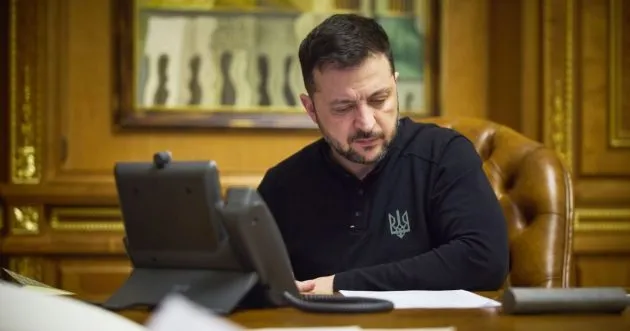
Ukrainian President Volodymyr Zelensky shared details of his conversation with U.S. President Donald Trump, which also included leaders from European countries. This conversation took place amid active diplomatic efforts to end the war, as well as following the visit of U.S. Special Representative Stephen Vitkoff to Moscow.
This is reported by Kyiv24
U.S. Diplomatic Steps and Meeting in Moscow
After Stephen Vitkoff’s meeting with Russian President Vladimir Putin, which occurred just before the expiration of Trump’s ultimatum regarding a ceasefire, signs of progress in the negotiation process emerged. According to the ultimatum, Russia must agree to a ceasefire by August 8, 2025, or the U.S. will impose 100% tariffs on imports of Russian goods and products from its partners.
“I just spoke with President Trump on the way back from our brigades in Sumy region. This conversation took place after the visit of President Trump’s representative Stephen Vitkoff to Moscow. Our joint position with partners is absolutely clear: the war must end. And it must be an honest conclusion. European leaders also participated in the conversation. We discussed what was articulated in Moscow,” he wrote on Telegram.
Positions of the Parties and Ceasefire Prospects
During the conversation, Zelensky emphasized the need to protect Ukraine’s independence and highlighted the importance of achieving a lasting and reliable peace. In turn, Donald Trump stated that significant progress had been made in the negotiations following his representative’s meeting with Putin. According to Trump, all parties agreed that the war must end, and work on this will continue in the near future.
At the same time, analysts note that Russia may attempt to satisfy Trump’s demands by proposing to halt airstrikes, but without agreeing to a complete cessation of ground hostilities. Reports indicate that Vladimir Putin is not ready for a full ceasefire, as Russian troops continue offensive operations in Donbas. Zelensky opposes the so-called “silence in the sky” and insists on the necessity of a complete ceasefire.
In Moscow, skepticism remains regarding the possibility of the U.S. implementing sanctions that would be critical for the Russian economy and could force it to make concessions. Meanwhile, the further development of negotiations remains a focus for the international community.