

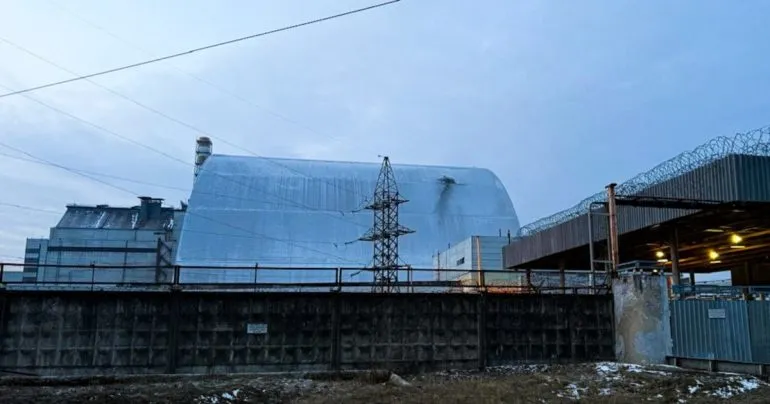
The United States is leading the efforts to restore nuclear safety systems at the Chernobyl Nuclear Power Plant in Ukraine alongside the G7 countries. The US State Department has announced its intention to direct approximately 100 million dollars to support the G7’s comprehensive efforts for further isolation and protection of fissile nuclear material at the Chernobyl site.
This is reported by Kyiv24
Funding details and the role of the US
For the past three decades, the US has actively worked with its G7 partners to enhance nuclear safety at the Chernobyl NPP. During this period, Washington has already invested over 365 million dollars in the construction of the New Safe Confinement (NSC) — a special arch that protects the most dangerous reactor zones of the plant.
“Designed for 100 years of operation, the NSC was damaged last year due to a drone strike during the senseless war between Russia and Ukraine. Without repairs, the NSC can no longer provide adequate protection, creating a risk of leakage of highly radioactive materials in Europe,” the department stated.
According to estimates from the State Department, the new US contribution will cover approximately 20% of the total cost of restoring the protective arch — this amount, according to G7 calculations, is 500 million dollars. The funding will be directed towards restoring the structure and ensuring the continued safety of the reactors and the remnants of radioactive substances.
Damage to the NSC and the history of Chernobyl
In February 2025, the protective dome over the fourth reactor of the Chernobyl NPP was damaged as a result of a drone attack. The Ukrainian side stated that a drone with an “explosive warhead” was launched by Russia, while the Kremlin accused Kyiv, claiming it was done to sabotage peace negotiations. Despite relatively minor physical damage, the consequences of the incident have significant financial and security implications.
The fourth reactor of Chernobyl exploded in 1986, triggering the largest nuclear disaster in human history. In 2019, a protective dome costing 2.5 billion dollars was erected over the destroyed reactor, which is intended to prevent radiation leaks and facilitate the dismantling of the reactor remnants.
The US State Department urges other G7 partners and European countries to join in funding critically important restoration work for the Chernobyl confinement, to share the burden of this work and ensure the safety of the entire European region.