

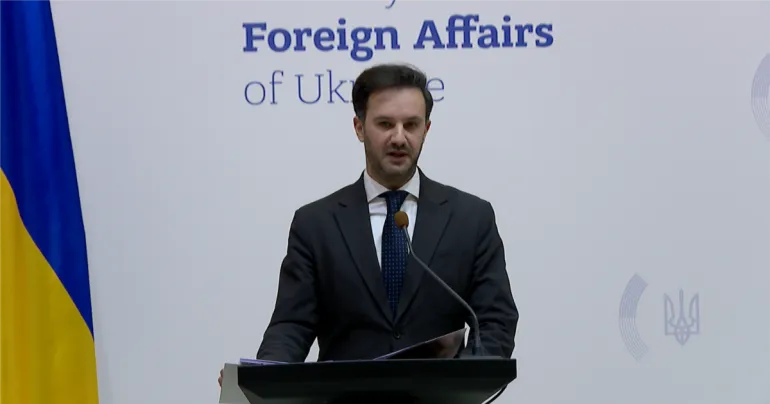
Currently, Hungary continues to supply gas to Ukraine. This was stated by the spokesperson of the Ministry of Foreign Affairs, Georgiy Tikhiy, during a briefing, emphasizing that the relevant authorities have confirmed there are no changes in exports.
This is reported by Kyiv24
Possible Economic Consequences for Hungary
According to Georgiy Tikhiy, if Hungarian Prime Minister Viktor Orban decides to halt gas exports to Ukraine, it will lead to significant losses for the Hungarian economy. Over the past year, Budapest has received more than 1 billion dollars in revenue from gas sales to Ukraine.
“The only consequence will be that Viktor Orban will take this 1 billion dollars from the pockets of Hungarians. It’s his business if he wants to do that”
, Tikhiy emphasized.
He also added that Ukraine has sufficient gas reserves and possesses alternative supply sources, so even in the event of a complete halt of exports from Budapest, the country’s energy security will not be threatened.
Political Context and the Situation with the Druzhba Pipeline
Prime Minister Viktor Orban stated on March 25 his intention to stop gas supplies to Ukraine until the transportation of oil through the Druzhba pipeline is restored. This pipeline transits through Ukraine and provides supplies of Russian oil to European countries, including Hungary and Slovakia.
The Ukrainian authorities reported that the pipeline was damaged at the end of January due to shelling by the Russian Federation. Meanwhile, Hungarian and Slovak officials reject this information, insisting that recent satellite images have not revealed any technical or operational reasons that would hinder the restoration of the Druzhba’s operation.
The Ministry of Foreign Affairs of Ukraine emphasizes that the country has proactively ensured the diversification of energy supplies and does not depend on the decisions of the political leadership of neighboring states.