
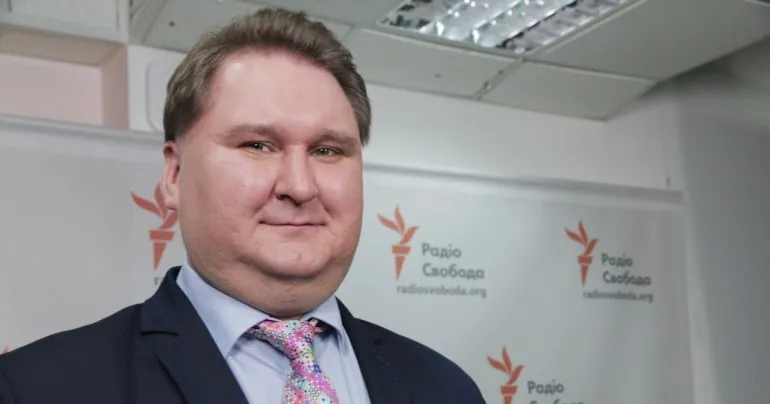
Ukraine continues its active integration of its agricultural and food sectors into the standards of the European Union. Deputy Prime Minister Taras Kachka announced this during his visit to the meeting of EU agriculture ministers in Luxembourg. He emphasized that the new trade agreement, concluded in the summer and set to come into effect in the coming days, will fundamentally change the approaches to trade between Ukraine and the EU.
This is reported by Kyiv24
New Agreement: Benefits and Challenges for Ukraine and the EU
According to Kachka, despite certain difficulties, the Ukrainian side is confidently organizing trade processes with EU countries. He stressed that Ukrainian agriculture is successfully adapting to European norms, which confirms the high level of cooperation with European partners. Ukraine is regarded as a reliable partner that contributes to the food security of the EU.
During the meeting of the EU Council on agricultural issues, Kachka intended to discuss the current state of the Ukrainian agricultural sector amid the war and the challenges related to exports. A separate discussion was planned regarding protective measures in the trade agreement with Ukraine, initiated by Hungary, Romania, and Slovakia. These neighboring countries assert that the new agreement on a Deep and Comprehensive Free Trade Area (DCFTA) does not fully take into account the interests of their farmers and food producers.
“The agreement we reached this summer, which will come into effect in a few days, will recalibrate trade. We have both good and some sad lessons, but at the same time, we know very well how to organize trade between Ukraine and the EU, and we are pleased to confirm that Ukrainian agriculture is developing according to EU standards,” Kachka emphasized.
At the same time, Kachka noted that Ukrainian agricultural exports are a useful tool for ensuring the economic profitability of European farmers, especially in the livestock sector. He highlighted that current trade volumes remain predictable and manageable. The Deputy Prime Minister also believes that national bans on the import of Ukrainian products have already lost relevance, and their removal will not take much time due to the stability of trade.
Position of the European Commission and Next Steps
European Commissioner for Agriculture Christoph Hansen emphasized the need to maintain a balance between opening the market for Ukrainian goods and supporting the interests of the EU farming community. He noted that today’s discussion on the market situation should ensure fair conditions for both sides.
Commenting on the unilateral bans imposed by certain EU countries, Hansen expressed hope that such restrictions will remain in the past. According to him, the introduction of new tariffs and quotas will provide the necessary predictability to the agricultural sector and eliminate the need for such measures. He also reminded that trade occurs in both directions, and thanks to the new agreement, many sectors, including the dairy and meat industries, will benefit from expanded cooperation.
In October 2025, the EU Council adopted a new trade agreement with Ukraine to replace the “trade visa-free regime,” which expired in June 2025. Under the new arrangements, Ukraine will be able to export more products to the EU than before the full-scale war, although less than during the operation of the “trade visa-free regime.”
The new agreement will promote the growth of trade flows between Ukraine and the EU while requiring Ukrainian producers to gradually align their standards in livestock, pesticide use, and other areas with European ones. However, Poland, Slovakia, Hungary, Bulgaria, and Romania emphasize that the new agreement could impact the stability of the EU agricultural markets. These countries currently maintain national restrictions on the import of certain categories of Ukrainian products.