

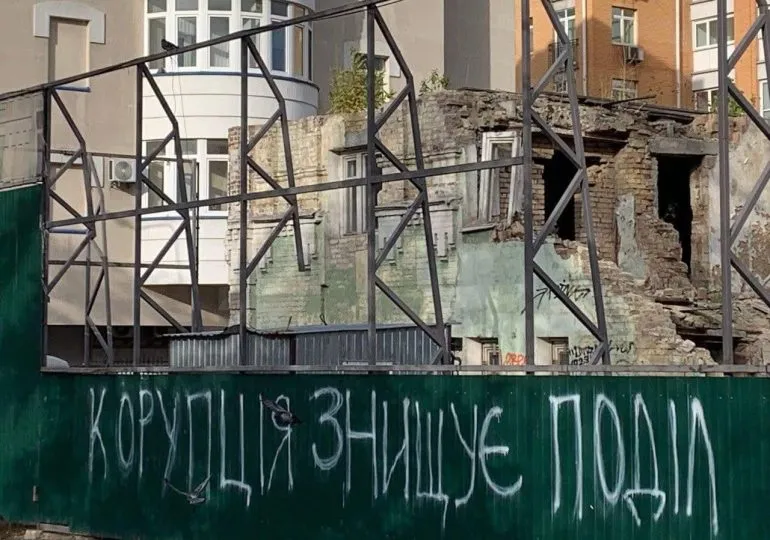
Construction has been permitted in Kyiv on land with historical and archaeological value
This is reported by Kyiv24
The Economic Court of Kyiv has made a decision that paves the way for construction work at the site of an archaeological and historical monument on Turivska Street. There is a sawmill named “Snihka” built in 1905, and beneath it, according to researchers, lies an archaeological site from the Kievan Rus period.
Details of the Case and Positions of the Parties
Heritage protector Dmytro Perov reported that Judge Olha Hulevets of the Economic Court of Kyiv dismissed the lawsuit from the Kyiv City Prosecutor’s Office regarding the return of the land at 29a Turivska Street to state ownership. This territory is home to the historical sawmill building.
“The judge of the Economic Court of Kyiv, Olha Hulevets, dismissed the lawsuit from the Kyiv City Prosecutor’s Office regarding the return of the land at 29a Turivska Street to state ownership. Here is located the historical Snihka sawmill, built in 1905,” wrote Dmytro Perov.
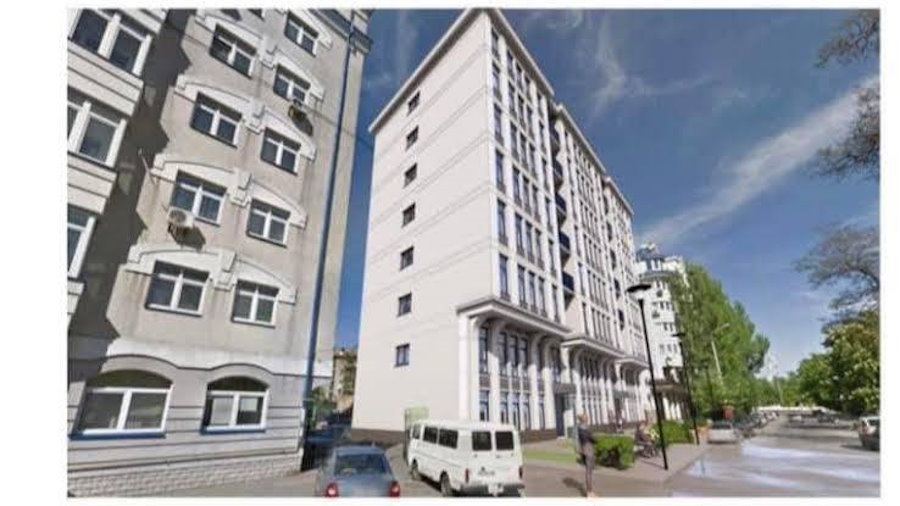
Dmytro Perov emphasized that earlier the Department of Cultural Heritage Protection of the Kyiv City State Administration approved the construction of a new residential-office complex on this site, and the Kyiv City Council supported the transfer of the land for development.
Arguments of the Prosecutor’s Office and Court Decision
The Kyiv City Prosecutor’s Office attempted to challenge the construction permit, arguing that the historical sawmill is located on the territory of an archaeological monument—the so-called “Cultural Layer of Podil from the 9th to 12th Century.” Law enforcement emphasized that valuable archaeological remains may be preserved in the soil, which could be lost due to new construction.
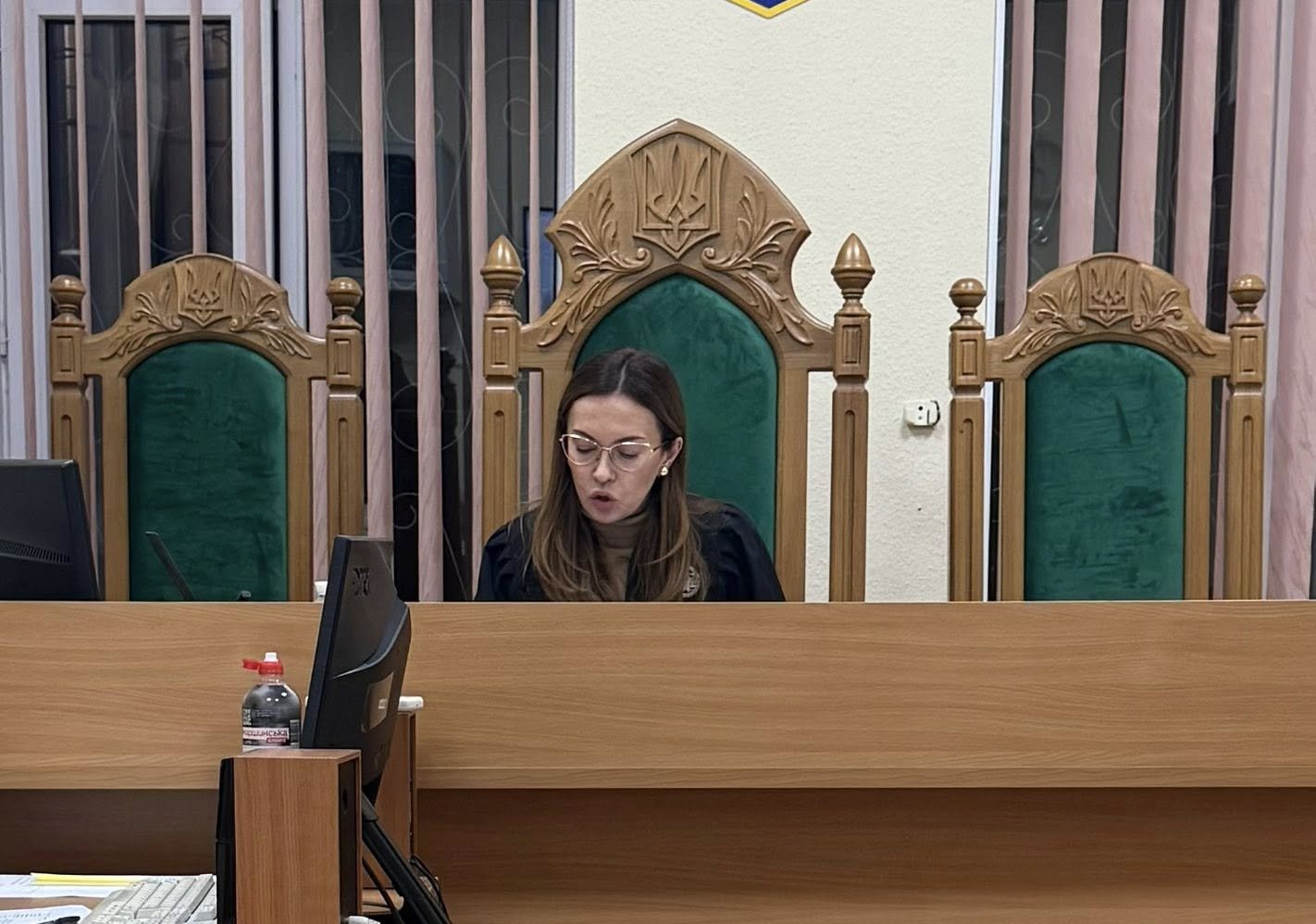
Judge Hulevets, however, sided with the city council, which had previously supported the developer. She noted that the archaeological map of the “Podil from the 9th to 12th Century” does not have a precise address, and the specific location of the site at 29-A Turivska cannot be considered sufficient evidence of its status as an archaeological monument.
Dmytro Perov also pointed out that directly next to this site is a plaque indicating the status of the area as an object of archaeological heritage and warning of the responsibility for its damage.