

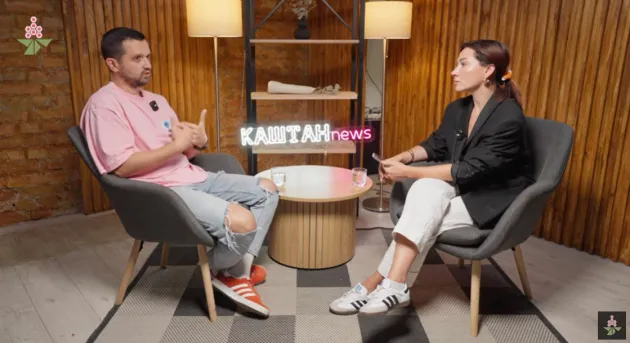
Ukrainians have the right to joy, even in a state of war
This is reported by Kyiv24
The head of the Atlas Festival, Pavlo Nemeryuk, believes that Ukraine needs to actively support young performers, as this will help push Russian-language music out of the Ukrainian airwaves. In his interview, he noted that it is important for young artists to have the opportunity to perform on a big stage, particularly at the Atlas Festival, where free venues are created for them, such as the shelter statch, as well as various avenues for developing their own creativity.
Young Performers as an Alternative to Russian Music
“We want to provide opportunities for young artists – those who are currently developing and cannot organize their own concert. It is important for them to say: ‘I performed at the Atlas Festival!’. For this, we have free stages and, in particular, the shelter statch, along with many different directions. We need to give life to this still young music. This way, we can squeeze Russian music out of the charts, which, unfortunately, is still listened to by a certain percentage of people. The goal is to completely reject it,” he emphasized.
Pavlo Nemeryuk stressed that only through active support for new Ukrainian music can the influence of Russian musical products in the Ukrainian media space be gradually reduced.
Celebration and Entertainment During War
In addition to music policy, Pavlo Nemeryuk raised the topic of entertainment events during the war. In his opinion, Ukrainians have the right to rest and joy, even in difficult times. He believes that holding concerts and festivals helps people come together, feel support, and experience emotional uplift, which is extremely important for the psychological health of society.
He also shared that the preparation and execution of the Atlas Festival in wartime is accompanied by numerous challenges, including financial ones; however, the organizers strive to ensure access to quality music for the widest possible audience. More details about the specifics of organizing the festival, its profitability during wartime, the reasons for the large amount of advertising, as well as how the band The Rasmus was invited and why Max Barskih’s performance was canceled, can be found in the full interview on the video platform.