

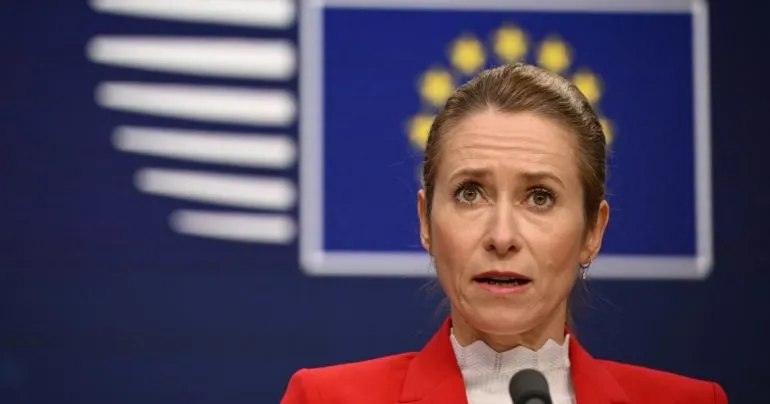
During a conference in The Hague dedicated to the launch of the Compensation Commission, representatives from European countries discussed the sources for forming a fund to pay compensation to Ukrainians for damages caused by the aggression of the Russian Federation.
This is reported by Kyiv24
Formation of the compensation fund: key sources
Prime Minister of the Netherlands Mark Rutte noted that a final decision regarding the funding of the compensation fund will be made later, as part of further agreements between the parties. He emphasized the importance of documenting and verifying all claims of damage to ensure a complete set of evidence for future compensations.
“Part of every conflict resolution also involves reaching agreements on compensation. Right now, we are registering these damages, we are verifying these claims to ensure that we have the evidence, that we have the documents for compensation at a later stage,” insisted the Dutch Prime Minister.
Secretary General of the Council of Europe Marija Pejčinović Burić expressed the opinion that the compensation fund could be formed from various sources, including state contributions, frozen Russian assets, and other potential resources. She emphasized that we are talking about significant sums, and the issue of compensation is key to the future reconstruction of Ukraine and the system of reparations.
EU’s position: frozen assets and Russia’s oil revenues
EU High Representative for Foreign Affairs and Security Policy Josep Borrell stressed that the frozen Russian assets abroad, estimated at 260–280 billion euros, should not be returned to Russia. He highlighted that these funds are the most obvious basis for creating a compensation fund, although other sources may also be involved.
Kallas also cited a historical example where, after Iraq’s invasion of Kuwait, the UN used revenues from Iraqi oil to pay reparations. According to her, a similar approach could be applied to Russian oil revenues, part of which could be directed towards compensations for those affected by the war in Ukraine.
Kaja Kallas pointed out that Russia is unlikely to voluntarily agree to pay compensation for the damages caused and is currently trying to exclude the issue of reparations and accountability from the agenda of a potential peace agreement. She emphasized the responsibility of the international community and the Claims Commission to ensure justice for all victims. In the Registry of Damages, which has been operational for nearly two years, over 86,000 claims of various types of damage have already been registered, including property losses, the death of relatives, the deportation of children, physical and psychological trauma, sexual violence, and torture.
The meeting of the Compensation Commission, which has its headquarters in the Netherlands, will be a decisive stage in the process of assessing the submitted claims and determining the amount of compensation for Ukrainians affected by the actions of the Russian Federation.