

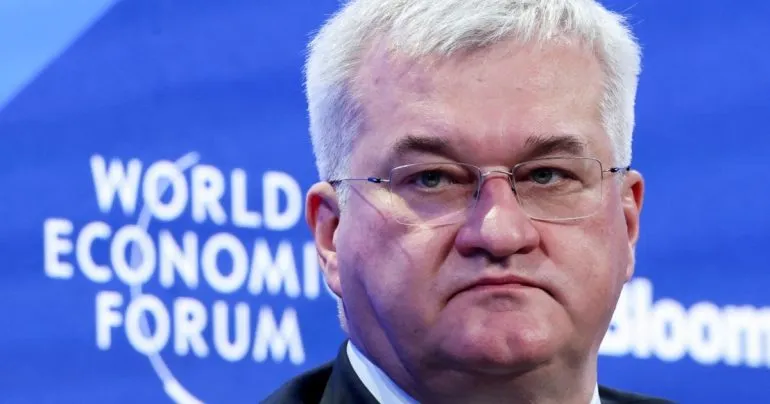
Foreign Minister Andrii Sybiha has appealed to European countries to make a swift decision regarding a reparations loan for Ukraine. He emphasized that this issue is of priority importance and is urgent for the Ukrainian state.
This is reported by Kyiv24
Five Reasons to Approve the Reparations Loan
The head of the Ministry of Foreign Affairs stressed that it is time to allow the full use of frozen assets of the Russian Federation to support Ukraine. Sybiha presented five arguments that, in his opinion, prove the necessity of such a step right now. Among them are the demonstration of unity and strength of Europe in the face of Russian aggression, strengthening the sovereignty and independence of Europe, as well as long-term support for the Ukrainian state and boosting the morale of its citizens.
Moreover, the decision to approve the reparations loan is a matter of justice, the minister believes, as it is the aggressor who should compensate for the damages inflicted, not European taxpayers. Such a step would send an important signal to potential aggressors around the world: aggression is not rewarded, but leads to accountability.
“In reality, none of these threats are realistic, and most of these fears are completely unfounded. Moscow is simply selling fear, as it usually does before serious steps to counter its aggression. Compensation for damages caused by the aggressor is a fundamental component of international law; Russia’s obligation to compensate for damages is stipulated in UN General Assembly resolutions; and there is no alternative to key reserve currencies.”
Sybiha also noted that the use of frozen Russian assets would not hinder the peace process; on the contrary, it would strengthen Kyiv’s position at the negotiating table and contribute to achieving peace.
Discussion of the Reparations Loan and the Positions of European Parties
In recent weeks, discussions have been actively ongoing in Europe regarding the possibility of providing Ukraine with a “reparations loan” amounting to 140 billion euros secured by Russian assets. The position of Belgium, which holds the majority of the frozen funds, has sparked the most debate. Belgian authorities are concerned about legal claims from Moscow in the event of asset confiscation.
Valérie Urben, head of the Brussels clearing house Euroclear, expressed the opinion that the European Commission’s plan for the forced confiscation of frozen Russian assets for transfer to Ukraine is unrealistic in its current form. She also emphasized that the depository is prepared to defend its interests in court if there is a threat of bankruptcy due to possible actions from Moscow in response.
Belgian Deputy Prime Minister Vincent Van Peteghem recently stated that the use of frozen Russian assets to assist Ukraine is inevitable in the future. However, he noted that Belgium will not agree to any hasty compromises and will consider all legal implications before making a final decision.
At the same time, the European Central Bank does not agree to insure such a type of loan, as it may pose financial risks to the European financial system.
The Russian Federation, in response, categorically denies any attempts to confiscate its funds and calls the potential use of these assets for the benefit of Ukraine theft.
Minister Andrii Sybiha emphasized that the mechanisms proposed by the European Commission are legally justified and fair in terms of risk distribution. He urged all EU member states to make a decision on the reparations loan this week.