

Independent experts emphasize the urgent need to change the approach to public transport development in Kyiv; otherwise, the city faces a transport collapse.
This is reported by Kyiv24
Problems with Polish Metro Cars for Kyiv
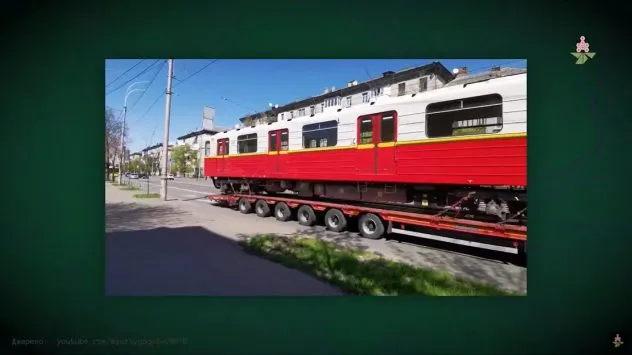
For several years now, the capital has been facing difficulties in updating its urban transport fleet. The issue of acquiring new buses, trolleybuses, trams, and metro cars is constantly postponed or accompanied by additional complications. Currently, the issue of the Polish metro cars transferred to Kyiv has gained particular attention.
At the beginning of 2023, it became known that Kyiv would receive 60 decommissioned metro cars from Warsaw, totaling over 40 million zlotys (over 330 million hryvnias). It was expected that this would help partially renew the rolling stock of the subway and improve the city’s transport infrastructure.
Most Cars Are Not in Operation
However, expectations were not met. Currently, only 20 out of the 60 received cars are actually in use on Kyiv’s tracks. The rest have become a source of spare parts for operational cars, as they turned out to be unfit for use due to design features that do not meet the specifications of the capital’s metro.
Previously, the Kyiv City State Administration assured that the Polish cars belonged to the same series as those of the Kyiv metro and were supposed to be newer. However, practice has shown otherwise: most of the rolling stock could not be integrated into the city’s transport system.
“The situation has turned out to be strange. The city announced the receipt of the cars and initially said they would be used for spare parts. But later it became clear that a certain number of the cars would indeed be used in the Kyiv metro. The mayor even pompously rode on them. I looked into the information: a huge amount was spent on the logistics of delivering these cars. And at the same time, the question arises: why doesn’t the city order new cars to replace the old fleet? Instead, the Kyiv metro spends significant funds on restoring old cars,” notes co-founder of the initiative “Passengers of Kyiv” Oleksandr Hrechko. “In my opinion, the Transport Department of the Kyiv City State Administration is not interested in making public transport truly high-quality and efficient. They are more interested in spending budget funds on gigantic projects – interchanges, road reconstructions costing billions.”
Thus, the issue of renewing the public transport fleet in Kyiv remains open. Experts urge the city authorities to focus on acquiring modern transport rather than spending significant funds on restoring old cars or large-scale infrastructure projects, the benefits of which for the city remain questionable.