

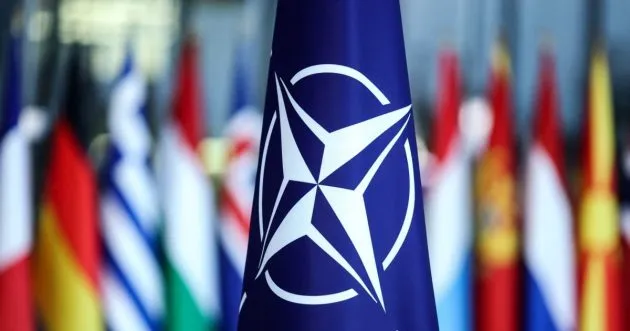
A key meeting of NATO defense ministers took place in Brussels on June 5, during which the possible increase of defense spending to 5% of the gross domestic product of each member state was discussed. This move is seen as a response to the growing threat from the Russian Federation.
This is reported by Kyiv24
Discussion of a New Target Ahead of the Summit in The Hague
U.S. Secretary of Defense Pete Hegseth focused this time on agreeing on a new spending benchmark and skipped all sessions dedicated to Ukraine. His goal is to reach a consensus on the new target figure before the upcoming NATO summit, which will take place at the end of June in The Hague. Hegseth emphasized that the alliance needs not only a symbolic presence but also real combat formations and ready-to-act capabilities.
“To be an alliance, you need to be more than just flags – you need combat formations. You need to be more than just conferences – key combat-ready capabilities are necessary,” Hegseth said after arriving for the meeting with ministers.
According to diplomatic sources, NATO headquarters aims to avoid disagreements during the summit, so all key points are being coordinated in advance. German Defense Minister Boris Pistorius stressed that the current meeting is not just consultations, but a day for making important decisions for the future of the alliance.
Strengthening Defense Capabilities and the Time Factor
NATO Secretary General Mark Rutte emphasized that the main goal of increasing defense spending is to prevent aggression against any member country. To achieve this, the alliance must strengthen its own capabilities. U.S. Ambassador to NATO Matthew Vitaker pointed out that it is the threats that determine the timelines, not political agreements. According to him, Russia could restore its forces within five years or even sooner.
Lithuanian Minister of National Defense Daivile Šakalienė stated that seven years to reach a new level of defense spending is too long. She called for quicker action, citing intelligence data warning of the likelihood of NATO being tested by Russia in the coming years.
Swedish Defense Minister Paul Jonson emphasized the need to take advantage of the current “window of opportunity” – while Russia is limited in its actions due to the war with Ukraine. He highlighted that after the end of hostilities, Russia could deploy additional forces near NATO’s borders, so alliance countries must strengthen their armed forces now.
According to discussions, military assistance to Ukraine will continue to be accounted for as part of the defense spending of NATO member countries. This will allow them to consider these expenditures when reaching the new benchmark of 5% of GDP.
The meeting in Brussels was the last before the annual summit of the alliance, which will take place on June 24-25 in The Hague, with the participation of 32 leaders of states and governments, including U.S. President Donald Trump. It is expected that the new target for defense spending will be officially approved in The Hague.