

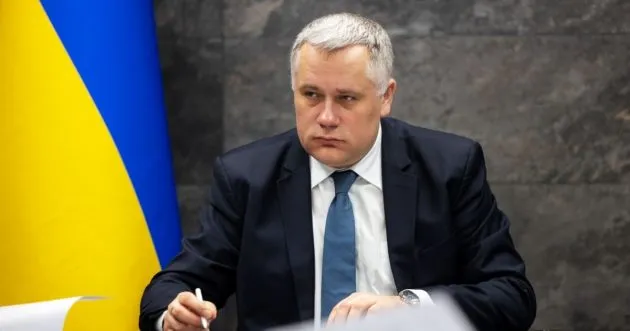
A briefing for representatives of foreign embassies was held at the Office of the President of Ukraine, dedicated to the current state of sanction pressure against Russia. According to reports from the press service of the Office, the event took place on April 16 and was organized to inform diplomats from various countries about the measures and prospects of the sanctions policy regarding the Russian Federation.
This is reported by Kyiv24
Discussion of the Current Situation and Next Steps
The event was attended by Deputy Head of the President’s Office Ihor Zhovkva and Advisor to the President on Sanctions Policy Vladyslav Vlasuk. Diplomats from the United Kingdom, Denmark, the Netherlands, Germany, Poland, France, Sweden, Japan, and representatives of the European Union participated in the meeting.
Zhovkva, in his speech, reported on the recent Russian strike on Sumy, which resulted in the deaths of 35 people. He urged not to lower the level of sanction pressure while Russian aggression against Ukraine continues, emphasizing the importance of a unified and consistent approach to supporting the Ukrainian state.
Current State and Prospects of Sanctions Policy
“Vladyslav Vlasuk informed about foreign components found in Russian weapons and the impact of the imposed sanctions on Russia’s capabilities, particularly regarding the gas and metallurgy sectors, as well as cryptocurrency transactions. He noted that sanctions against Russia’s shadow tanker fleet are also in effect, as evidenced by reports of detained vessels. Work in this direction will continue.”
Vlasuk emphasized the necessity of introducing the 17th package of sanctions to gain additional leverage in the negotiation process with Russia. According to him, sanctions must be an integral part of the plan to strengthen European security and contain the potential of the Russian military-industrial complex.
The advisor also thanked non-governmental organizations that analyze the impact of sanctions on the Russian budget, search for foreign components in Russian military equipment, and identify ways to circumvent sanctions.
Furthermore, during the briefing, the possibility of confiscating and using frozen Russian assets to support Ukraine was discussed. European countries continue to act within the framework of sanctions: on March 14, the European Union agreed to extend restrictions on over 2,400 individuals and entities, in accordance with the sanctions policy against Russia for its aggression against Ukraine.