

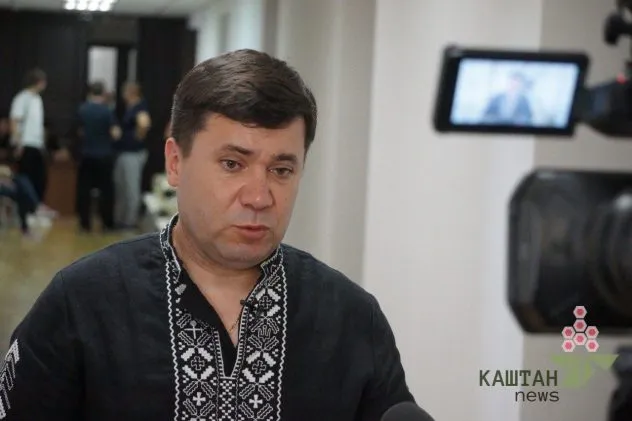
On June 10 at 10:10, the Pechersk District Court in Kyiv will begin hearings on the high-profile case filed by Vitali Klychko against Andriy Vitrenko.
This is reported by Kyiv24
The Essence of the Conflict Between Klychko and Vitrenko
The head of the permanent commission on budget issues, socio-economic development, and investment activities of the Kyiv City Council, and the leader of the “Servant of the People” faction, Andriy Vitrenko, announced the start of the court proceedings in his Facebook post. According to the deputy, the current mayor of Kyiv has sued Vitrenko over social media posts that contained sharp criticism of the city authorities.
“When the city authorities cannot respond substantively, they take criticism to court. I view this lawsuit as an attempt to intimidate, to silence not only me but the entire Kyiv community. Who’s next?” – asks Andriy Vitrenko.
Demands of the Lawsuit and Vitrenko’s Position
Andriy Vitrenko emphasizes that Vitali Klychko approached the court not as an official but as a private individual, which, in the deputy’s opinion, indicates a mixing of the mayor’s personal and public interests. The deputy points out that the lawsuit demands he pay 373,239 hryvnias – the amount Klychko spent on the legal services of the law firm “OMP” for representation in court. According to Vitrenko, this sum covers the payment for 50 hours of work by the mayor’s lawyers.
The deputy calls such demands absurd and expresses outrage that he should compensate the mayor for “legal assistance” for questioning unfulfilled promises, particularly regarding the fight against corruption, the situation with the metro in Vynogradar and Troieshchyna, as well as assistance to the Armed Forces of Ukraine and those affected by shelling.
In his public statement, Andriy Vitrenko emphasizes that he sees the mayor’s actions as an attempt to pressure the opposition and a warning to all who are ready to openly criticize the authorities. The deputy believes that such lawsuits are a sign of increasing authoritarian tendencies in the capital and growing political pressure on freedom of speech.